An affluent, social, and rare-for-San-Francisco flat neighborhood on the bay, with Crissy Field and the Palace of Fine Arts as the front yard.
The Marina is one of the few flat, walkable, waterfront neighborhoods in San Francisco, and it lives like it. Mornings are runners and dog walkers on the Marina Green, evenings are full restaurants and bars on Chestnut Street, and the whole thing sits right against the bay with the Golden Gate Bridge in view. It draws a young, social, active crowd, and the energy is a big part of why people pick it.
The housing is mostly 1920s and 1930s buildings that went up after the 1915 Panama-Pacific Exposition, which is why so much of the area has that uniform Mediterranean and Art Deco look. You will find single-family homes, two-to-four-unit buildings, and condominiums, many of them with a garage tucked underneath the living space.
Crissy Field and the Palace of Fine Arts are the front yard. You can walk from a Marina block out to the shoreline, past the Palace lagoon, and on to the Golden Gate Promenade without crossing much. That access to open space and water is the everyday luxury here, more than the homes themselves.
The honest trade-off is the ground it sits on. The Marina is built on fill, including land filled for the 1915 fair, and it is in a recognized liquefaction zone. In the 1989 Loma Prieta earthquake, damage in the city was concentrated here. That does not mean do not buy, it means buy with your eyes open, and I dig into the soil, the foundation, and any retrofit work before you write.
The Marina is the easiest neighborhood in the city to love on a sunny Saturday. My job is to make sure the ground under the house is as good as the view.
The 30-Stockton runs through the Marina toward downtown and Caltrain, and the 22-Fillmore and 28-19th Avenue connect you across the city, with the 43-Masonic reachable nearby for the Presidio.
This is one of the flattest neighborhoods in San Francisco, so daily errands, Chestnut Street, and the waterfront are all an easy walk, which is rare here.
The Golden Gate Bridge and Highway 101 north are very close, and Lombard Street is the main route in and out, though street parking is competitive, so I check what a given home actually includes.
Before you fall for a place, I read the file. My disclosure analyzer flags what matters so you walk in informed, not surprised. Here is what I tend to look for in a Marina report.
Much of the Marina is built on fill, including land filled for the 1915 fair, and it sits in a recognized liquefaction zone. Damage in the 1989 Loma Prieta earthquake was concentrated here. I look at the liquefaction maps, the foundation, and any soils information before you commit, so the seismic picture is clear.
Many Marina buildings have living space over a ground-floor garage, the classic soft-story shape that San Francisco now requires to be retrofitted in multi-unit buildings. I check whether required retrofit work is done and what it means for a property you are considering.
Most of the stock dates to the 1920s and 1930s, so foundations, wiring, plumbing, and decades of remodels show up in the reports. I read the permit history so you know what is original, what was upgraded, and what was done without a permit.
On older bayside properties the private sewer lateral and drainage can need attention. I confirm the condition and any compliance requirements so it is not a surprise after closing.
For condominiums and small multi-unit buildings, the HOA budget, reserves, minutes, retrofit status, and any litigation matter as much as the unit. I go through the full package before you write.
Start with coffee and the morning crowd on the neighborhood's main street.
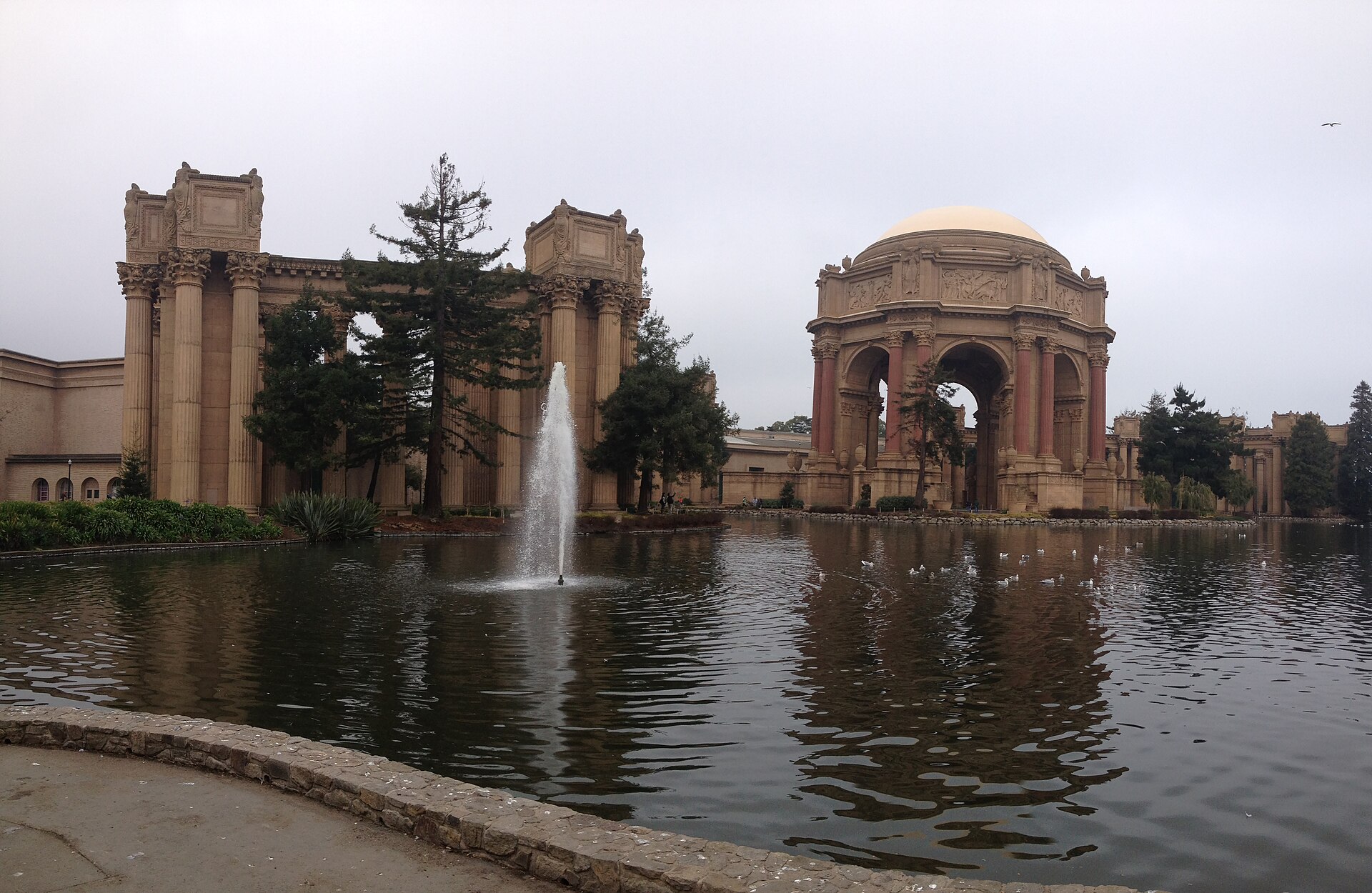
Loop the lagoon and the rotunda before the day fills up.
Walk or run the shoreline toward the Golden Gate Bridge with the bay on your right.
Back up to Chestnut for lunch at one of the many restaurants and cafes.
Wander the cultural center and the eastern bay views, and catch whatever event is on.
End on the waterfront lawn for the light over the harbor and the bridge.
A restored shoreline of beach, marsh, and the Golden Gate Promenade, with bridge views and one of the best flat walks and runs in the city.
The domed rotunda and lagoon left from the 1915 Panama-Pacific Exposition, the neighborhood's signature landmark and a favorite morning walk.
The long waterfront lawn along the harbor, busy with runners, kite flyers, and dog walkers, with the bridge straight ahead.
The main commercial spine, packed with restaurants, cafes, fitness studios, and shops, and the center of the neighborhood's social life.
A former Army post turned cultural center on the eastern edge, with festivals, food, theater, and big bay views.
The Marina is mostly 1920s and 1930s buildings, with single-family homes, two-to-four-unit buildings, and condominiums, many with a garage under the living space. Waterfront blocks and view units command a premium, and the flat, walkable setting keeps demand strong. Condition, retrofit status, and the ground a building sits on vary a lot here, so the live MLS plus a careful read of each property is the real answer.
San Francisco does not assign public schools strictly by address. SFUSD runs a citywide enrollment system, so your home shapes but does not guarantee placement, and Sherman Elementary is a well-known public school near the Marina. I walk families through how the current SFUSD process actually plays out for a given home, and I confirm the details for any place you are serious about.
Placement runs through a citywide lottery with tiebreakers, not a strict neighborhood boundary. Address matters, but it is one factor, not a guarantee.
Current ratings and details for every public school in the city.
San Francisco on GreatSchools →The official application, timelines, and how the lottery works.
SFUSD enrollment →Yes. Much of it sits on fill, including land filled for the 1915 Panama-Pacific Exposition, and it is in a recognized liquefaction zone. That is exactly why I review the soils, foundation, and any retrofit work before you write an offer.
Damage in San Francisco during the 1989 Loma Prieta earthquake was concentrated in the Marina because of the fill and liquefaction. Many buildings have since been retrofitted, and I check the specific history on any home you are considering.
Mostly 1920s and 1930s buildings, a mix of single-family homes, two-to-four-unit buildings, and condominiums, many with a garage under the living space and that uniform Mediterranean and Art Deco look.
The Marina is unusually flat and walkable, which people love. Muni lines like the 30-Stockton serve it, the Golden Gate Bridge is close, and street parking is competitive, so I confirm what each home actually has.
San Francisco uses a citywide SFUSD enrollment lottery rather than strict address assignment. I walk families through how the current process tends to play out and point you to the official enrollment details.
Plenty of people do, happily. The point is to buy informed. I read the seismic and soil picture, the foundation, and any retrofit work so you know the real condition before you commit.
Tell me what you are looking for and I will give you a straight read: what is on the market, what fits your budget, and what to know before you write an offer. Straight answers, real information, no waiting around. Reach out anytime, I am an early riser.